
Introduction
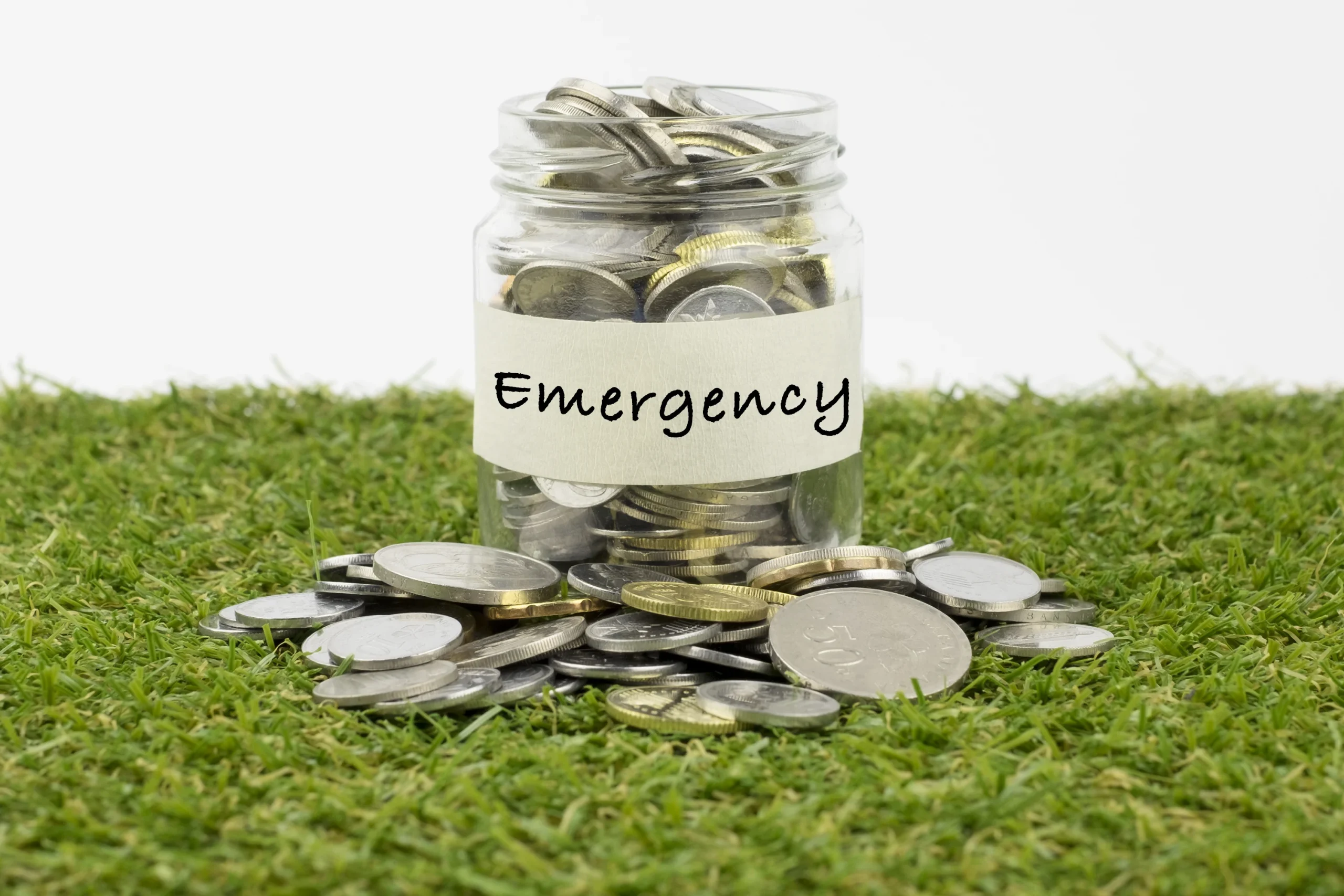
An emergency fund is a savings fund that helps you handle unexpected financial situations. In 2026, with rising living costs and economic uncertainty, having an emergency fund is more important than ever.
Unexpected expenses such as medical bills, car repairs, job loss, or home repairs can happen at any time. An emergency fund provides financial security and helps you avoid debt during difficult situations.
1️⃣ Understand the Purpose of an Emergency Fund
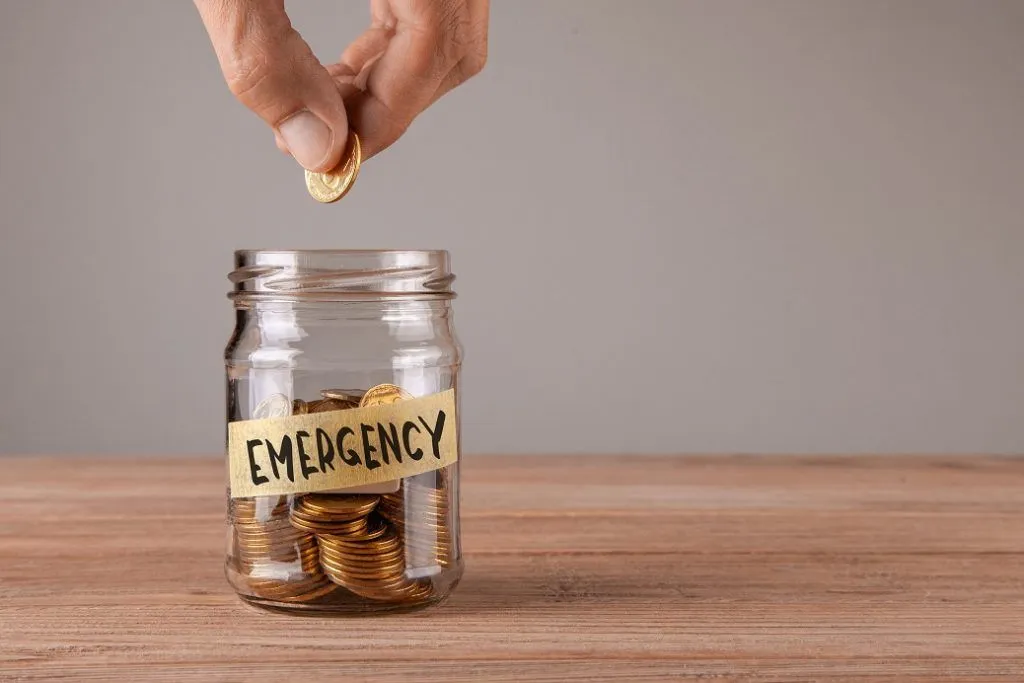
The main purpose of an emergency fund is to protect you from financial stress during unexpected events. Instead of relying on credit cards or loans, you can use your savings to manage the situation.
Examples of emergencies include:
- Medical emergencies
- Sudden job loss
- Car or home repairs
- Unexpected travel expenses
2️⃣ Set a Clear Savings Goal
Financial experts often recommend saving 3 to 6 months of living expenses in your emergency fund.
For example:
- If your monthly expenses are $1,000
- Your emergency fund goal should be $3,000–$6,000
Setting a clear goal helps you stay motivated while saving.
3️⃣ Start Small but Stay Consistent
Many people delay building an emergency fund because they think they need a large amount of money. In reality, starting with small savings is perfectly fine.
You can start by saving:
- $10 per week
- $50 per month
- Any extra income you receive
Consistency is more important than the amount.
4️⃣ Open a Separate Savings Account
Keeping your emergency fund in a separate savings account helps you avoid spending it on unnecessary things.
Benefits of a separate account:
- Better financial discipline
- Easy tracking of savings
- Reduced temptation to spend
5️⃣ Reduce Unnecessary Spending
Cutting small daily expenses can help you save more money.
Examples:
- Reduce eating out
- Cancel unused subscriptions
- Avoid impulse shopping
Even small savings can grow into a strong emergency fund over time.
6️⃣ Automate Your Savings
Automating your savings is one of the easiest ways to build an emergency fund. You can set up an automatic transfer from your main account to your savings account every month.
This helps you save money regularly without thinking about it.
7️⃣ Use Your Emergency Fund Wisely
Your emergency fund should only be used for real emergencies. Avoid using it for vacations, shopping, or non-essential expenses.
After using it, make sure to rebuild your emergency fund again.
Conclusion
Building an emergency fund is one of the smartest financial decisions you can make. It protects you from financial stress and helps you stay prepared for unexpected situations.
By setting a savings goal, reducing unnecessary expenses, and saving consistently, you can build a strong emergency fund and achieve greater financial security in the future.