

Best Ways to Save Money in 2026

Introduction
Saving money is one of the most important financial habits you can develop. In 2026, with rising living costs and economic changes, managing your money wisely has become even more important. By following simple saving strategies, you can build financial security and achieve your future goals.
This article explains some of the best ways to save money in 2026.
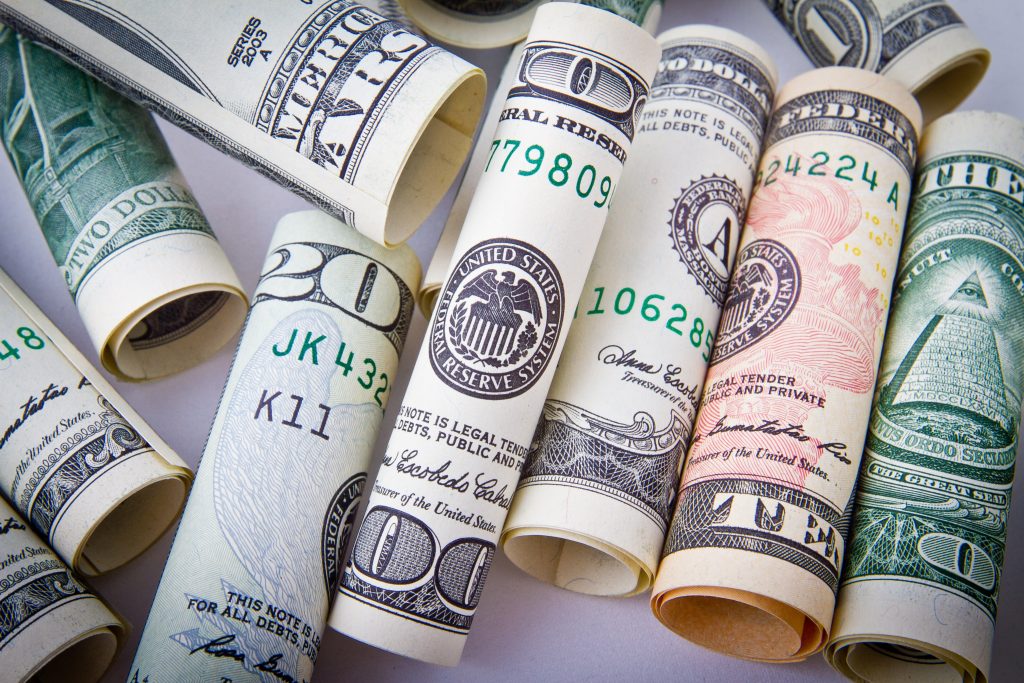
1️⃣ Create a Monthly Budget
The first step to saving money is understanding where your money goes. Creating a monthly budget helps you track your income and expenses.
Tips for budgeting:
- Write down all sources of income
- Track daily expenses
- Set a limit for spending categories
A good budget helps you control unnecessary spending.
2️⃣ Build an Emergency Fund
Unexpected expenses like medical emergencies, car repairs, or job loss can affect your finances. An emergency fund helps you handle these situations without stress.
Experts recommend saving at least 3–6 months of living expenses in your emergency fund.
3️⃣ Reduce Unnecessary Expenses
Many people spend money on things they do not really need. Small expenses like frequent online shopping or unused subscriptions can add up quickly.
Ways to reduce spending:
- Cancel unused subscriptions
- Cook more meals at home
- Avoid impulse purchases
Saving small amounts regularly can make a big difference over time.
4️⃣ Use Technology for Smart Saving
In 2026, many financial apps help people manage and save money. These apps can track expenses, set savings goals, and remind you to stay on budget.
Digital tools make saving money easier and more organized.
5️⃣ Invest Your Savings
Saving money in a bank account is helpful, but investing can help your money grow over time. Consider learning about safe investment options.
Examples include:
- Mutual funds
- Index funds
- Retirement accounts
Investing wisely can help you build long-term wealth.
6️⃣ Set Clear Financial Goals
Having clear goals motivates you to save more. Your goals might include:
- Buying a house
- Starting a business
- Paying for education
- Planning retirement
When you have a clear purpose, saving money becomes easier.
7️⃣ Avoid Debt When Possible
High-interest debt, such as credit card debt, can quickly reduce your savings. Try to avoid unnecessary borrowing and pay off existing debts as soon as possible.
Managing debt responsibly helps you maintain financial stability.
Conclusion
Saving money in 2026 requires discipline, planning, and smart financial decisions. By creating a budget, reducing unnecessary expenses, building an emergency fund, and investing wisely, you can achieve long-term financial security.
Even small savings made consistently can lead to big financial success in the future.

Health Insurance vs Life Insurance
Introduction
Insurance is an important part of financial planning. Two of the most common types of insurance are Health Insurance and Life Insurance. While both provide financial protection, they serve very different purposes.
Understanding the difference between these two types of insurance can help you choose the right coverage for yourself and your family.
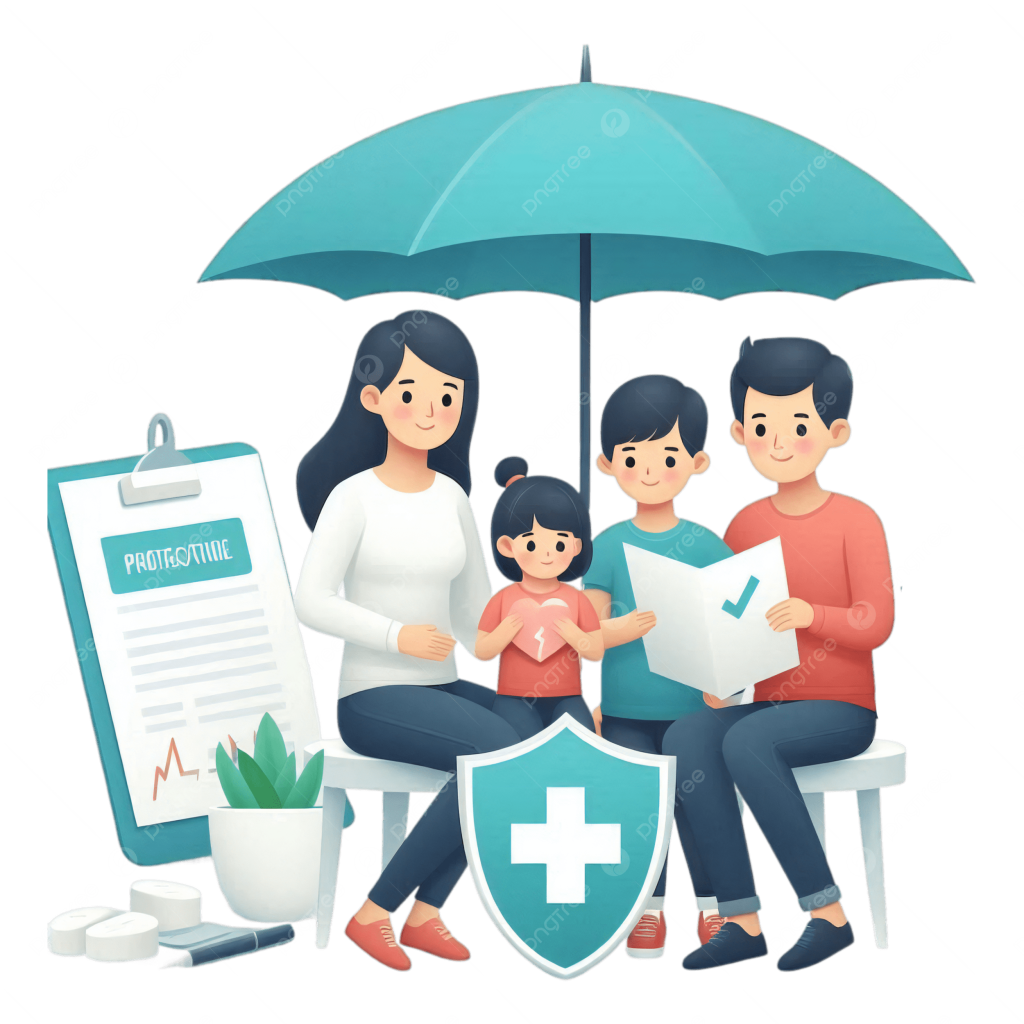
What is Health Insurance?
Health insurance is a type of insurance that covers medical expenses. It helps pay for hospital bills, doctor consultations, medicines, and surgeries.
Benefits of Health Insurance
- Covers hospital and treatment costs
- Provides financial protection during medical emergencies
- Offers cashless treatment in many hospitals
- May include preventive health checkups
Example
If a person is hospitalized due to illness or an accident, the health insurance company pays part or all of the treatment expenses depending on the policy.
Health Insurance Concept
What is Life Insurance?
Life insurance provides financial support to your family if something happens to you. If the insured person passes away during the policy period, the insurance company pays a fixed amount (sum assured) to the nominee.
Benefits of Life Insurance
- Provides financial security to family members
- Helps cover living expenses after the policyholder’s death
- Can support children’s education or loan payments
- Some policies also offer investment benefits
Example
If a person with life insurance passes away, their family receives the insured amount which helps them manage financial responsibilities.
Life Insurance Protection
Key Differences Between Health Insurance and Life Insurance
| Feature | Health Insurance | Life Insurance |
|---|---|---|
| Purpose | Covers medical expenses | Provides financial support after death |
| Benefit Type | Pays hospital and treatment bills | Pays lump sum amount to family |
| Coverage | Illness, injury, hospitalization | Death of the insured person |
| Who Benefits | Policyholder | Family or nominee |
Which One Should You Choose?
Ideally, a person should have both health insurance and life insurance. Health insurance protects you from high medical costs, while life insurance protects your family’s financial future.
If you are starting financial planning, many experts suggest buying health insurance first because medical expenses can occur at any time.
Conclusion
Both health insurance and life insurance play an important role in financial security. Health insurance protects you during medical emergencies, while life insurance ensures that your family remains financially stable in your absence.
Choosing the right combination of both can provide complete protection for you and your loved ones.
7 Mistakes to Avoid When Buying Insurance
Introduction
Buying insurance is an important financial decision. Whether it is health insurance, life insurance, or vehicle insurance, the right policy can protect you from unexpected financial losses. However, many people make common mistakes when purchasing insurance, which can lead to problems later.
Understanding these mistakes can help you choose the right insurance policy and ensure better financial protection.
1️⃣ Choosing the Cheapest Policy Only
Many people buy insurance only based on the lowest price. While saving money is important, the cheapest policy may not provide enough coverage.
Always check:
- Coverage amount
- Benefits included
- Claim settlement ratio
Sometimes paying a slightly higher premium can give you much better protection.
2️⃣ Not Understanding the Policy Terms
Another common mistake is not reading the policy details carefully. Many people skip the terms and conditions and later discover that certain treatments or situations are not covered.
Before buying insurance, always read:
- Policy exclusions
- Waiting periods
- Coverage limits
This will help you avoid surprises during claim time.
3️⃣ Buying Insufficient Coverage
Some people choose very low coverage to reduce the premium cost. However, in case of a major emergency, the coverage amount may not be enough to cover all expenses.
It is better to choose a coverage amount that matches your financial needs and medical costs.

4️⃣ Ignoring the Claim Settlement Ratio
The claim settlement ratio shows how many claims an insurance company successfully settles. A higher ratio usually means the company is more reliable.
Before choosing an insurer, always research the company’s reputation and claim history.
5️⃣ Not Comparing Different Policies
Many buyers purchase the first insurance policy they see without comparing other options.
Comparing policies from different companies helps you:
- Find better coverage
- Get affordable premiums
- Understand different benefits
Online comparison tools make this process very easy.
6️⃣ Hiding Important Information
Some people hide medical history or personal details while applying for insurance to get a lower premium. This can cause serious problems later.
If the insurance company discovers incorrect information, they may reject your claim. Always provide honest and accurate details.
7️⃣ Not Reviewing the Policy Regularly
Life situations change over time. Your income, family size, and financial responsibilities may increase.
Review your insurance policy every few years to ensure that your coverage is still adequate.
Conclusion
Insurance is meant to provide financial protection during difficult times. By avoiding these common mistakes, you can choose the right policy and secure your future.
Always research carefully, compare options, and understand your policy before making a final decision. A well-chosen insurance plan can give you long-term financial security and peace of mind.
Why Health Insurance Is Important in 2026
Introduction
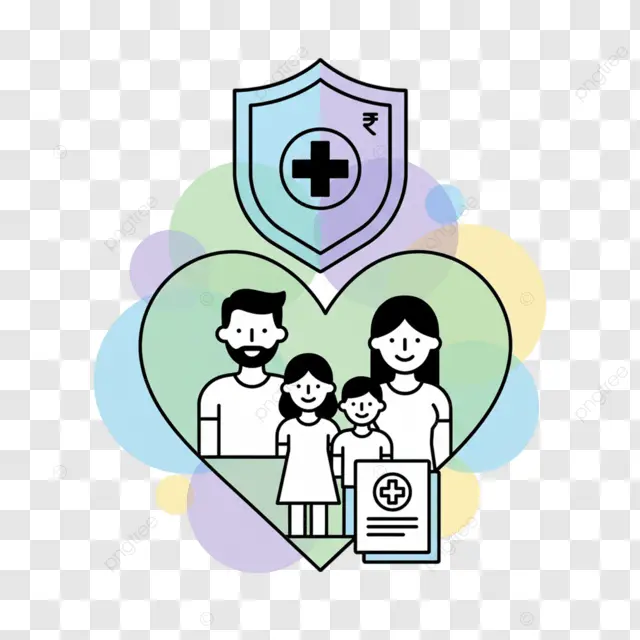
Health insurance has become more important than ever in 2026. Medical costs around the world are rising rapidly, and even a short hospital stay can be very expensive. Health insurance helps individuals and families manage these costs and ensures that they receive proper medical treatment without facing serious financial problems.
Many people think they only need health insurance when they become older or sick, but the reality is that anyone can face a medical emergency at any time. Having the right insurance plan provides financial protection and peace of mind.
Rising Medical Costs
One of the biggest reasons health insurance is essential in 2026 is the increasing cost of healthcare. Hospital bills, doctor consultations, medicines, and diagnostic tests are becoming more expensive every year.
Without insurance, even a small surgery or treatment can cost thousands of dollars. Health insurance helps cover these expenses and reduces the financial burden on families.
Protection During Medical Emergencies
Medical emergencies can happen suddenly, such as accidents, heart problems, infections, or unexpected illnesses. In such situations, people often need immediate hospital treatment.
Health insurance ensures that you can get the necessary medical care quickly without worrying about how to pay the bills. Many insurance policies also offer cashless treatment in hospitals, making the process easier during emergencies.
Access to Better Healthcare
With health insurance, patients often get access to better hospitals, experienced doctors, and advanced medical treatments. Many insurance providers have partnerships with well-known hospitals, allowing policyholders to receive quality healthcare services.
This means that people do not have to compromise on treatment due to financial limitations.
Financial Security for Families
One serious illness can affect a family's entire financial situation. Medical expenses can use up savings that were meant for education, home purchases, or retirement.
Health insurance protects families from these unexpected costs and helps maintain financial stability during difficult times.
Coverage for Preventive Care
Modern health insurance plans in 2026 often include preventive healthcare services such as health check-ups, vaccinations, and early disease screenings. These services help detect health problems at an early stage.
Early diagnosis can reduce treatment costs and increase the chances of successful recovery.
Peace of Mind
Perhaps one of the most important benefits of health insurance is peace of mind. When people know they are financially protected during medical emergencies, they can focus on recovery instead of worrying about hospital bills.
This sense of security improves overall mental well-being.
Conclusion
Health insurance is no longer a luxury—it is a necessity in 2026. With rising medical costs and increasing health risks, having a reliable insurance policy is one of the smartest financial decisions a person can make.
By investing in health insurance, individuals can protect their health, their savings, and their family’s future.
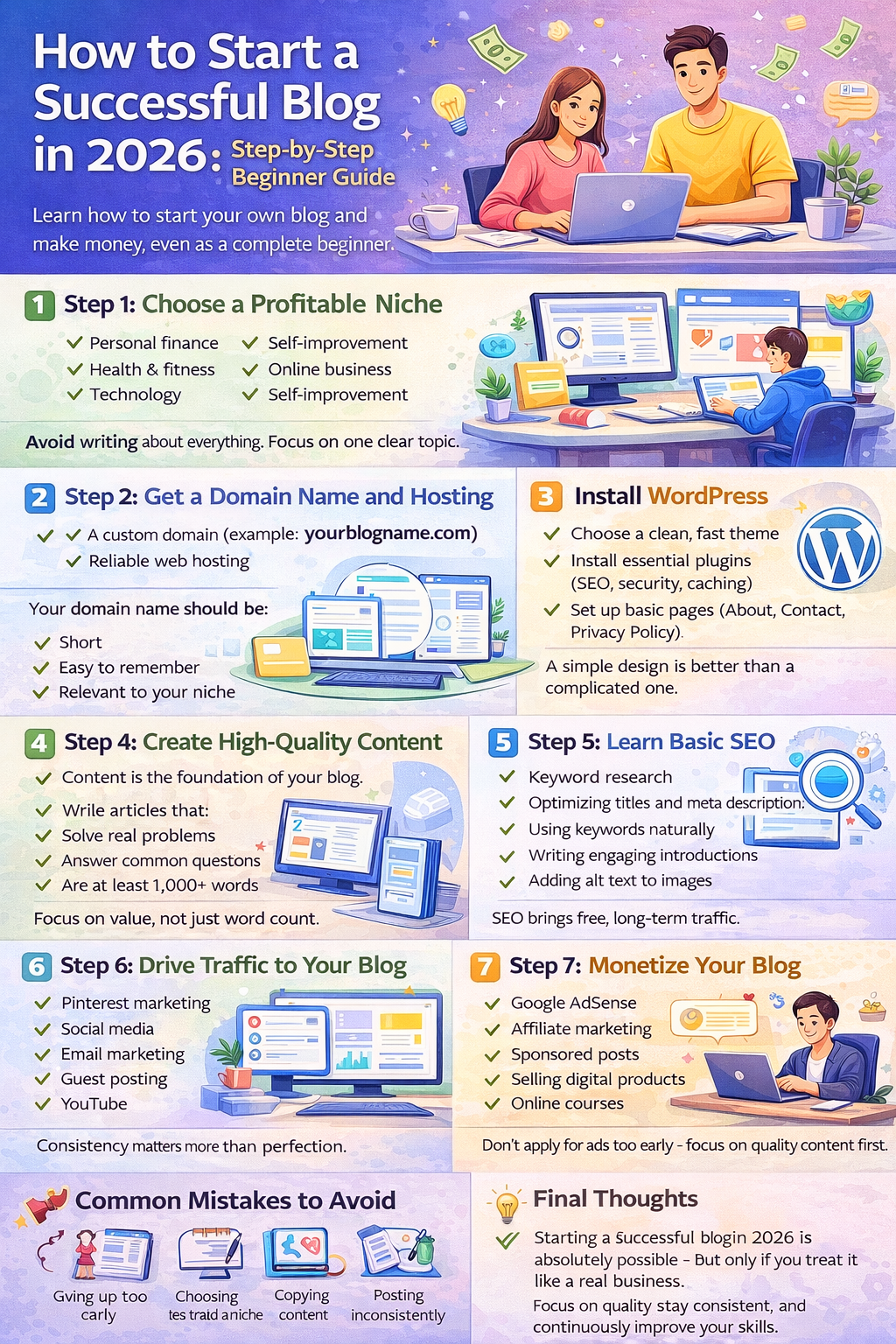
How to Start a Successful Blog in 2026: Step-by-Step Beginner Guide
Starting a blog in 2026 is still one of the best ways to build an online income, grow a personal brand, and create long-term digital assets. But success doesn’t happen overnight — it requires strategy, patience, and consistency.
If you're serious about building a profitable blog, this step-by-step guide will help you start the right way.
Step 1: Choose a Profitable Niche
Your niche is the topic you’ll write about. Choosing the right niche is critical because it determines your audience and income potential.
Popular Profitable Niches:
- Personal finance
- Health & fitness
- Technology
- Travel
- Online business
- Self-improvement
Choose a niche that:
- You are interested in
- Has search demand
- Has monetization opportunities
Avoid writing about everything. Focus on one clear topic.
Step 2: Get a Domain Name and Hosting
You need:
- A custom domain (example: yourblogname.com)
- Reliable web hosting
Your domain name should be:
- Short
- Easy to remember
- Relevant to your niche
Good hosting ensures your website loads fast and stays secure.
Step 3: Install WordPress
WordPress powers over 40% of websites worldwide. It’s beginner-friendly, flexible, and SEO-friendly.
After installing WordPress:
- Choose a clean, fast theme
- Install essential plugins (SEO, security, caching)
- Set up basic pages (About, Contact, Privacy Policy)
A simple design is better than a complicated one.
Step 4: Create High-Quality Content
Content is the foundation of your blog.
Write articles that:
- Solve real problems
- Answer common questions
- Are at least 1,000+ words
- Use proper headings (H1, H2, H3)
- Include internal links
Focus on value, not just word count.
Step 5: Learn Basic SEO
SEO (Search Engine Optimization) helps your blog rank on Google.
Basic SEO includes:
- Keyword research
- Optimizing titles and meta descriptions
- Using keywords naturally
- Writing engaging introductions
- Adding alt text to images
SEO brings free, long-term traffic.
Step 6: Drive Traffic to Your Blog
No traffic = no income.
Ways to drive traffic:
- Pinterest marketing
- Social media
- Email marketing
- Guest posting
- YouTube
Consistency matters more than perfection.
Step 7: Monetize Your Blog
Once you have traffic, you can start earning.
Popular monetization methods:
- Google AdSense
- Affiliate marketing
- Sponsored posts
- Selling digital products
- Online courses
Don’t apply for ads too early — focus on quality content first.
Common Mistakes to Avoid
- Giving up too early
- Choosing too broad a niche
- Copying content
- Ignoring SEO
- Posting inconsistently
Blogging is a long-term game.
How Long Does It Take to Make Money?
Realistically:
- 3–6 months to see traffic
- 6–12 months to see steady income
Some people succeed faster, but most bloggers need time and patience.
Final Thoughts
Starting a successful blog in 2026 is absolutely possible — but only if you treat it like a real business. Focus on quality, stay consistent, and continuously improve your skills.
The bloggers who succeed are not the smartest — they are the most consistent.
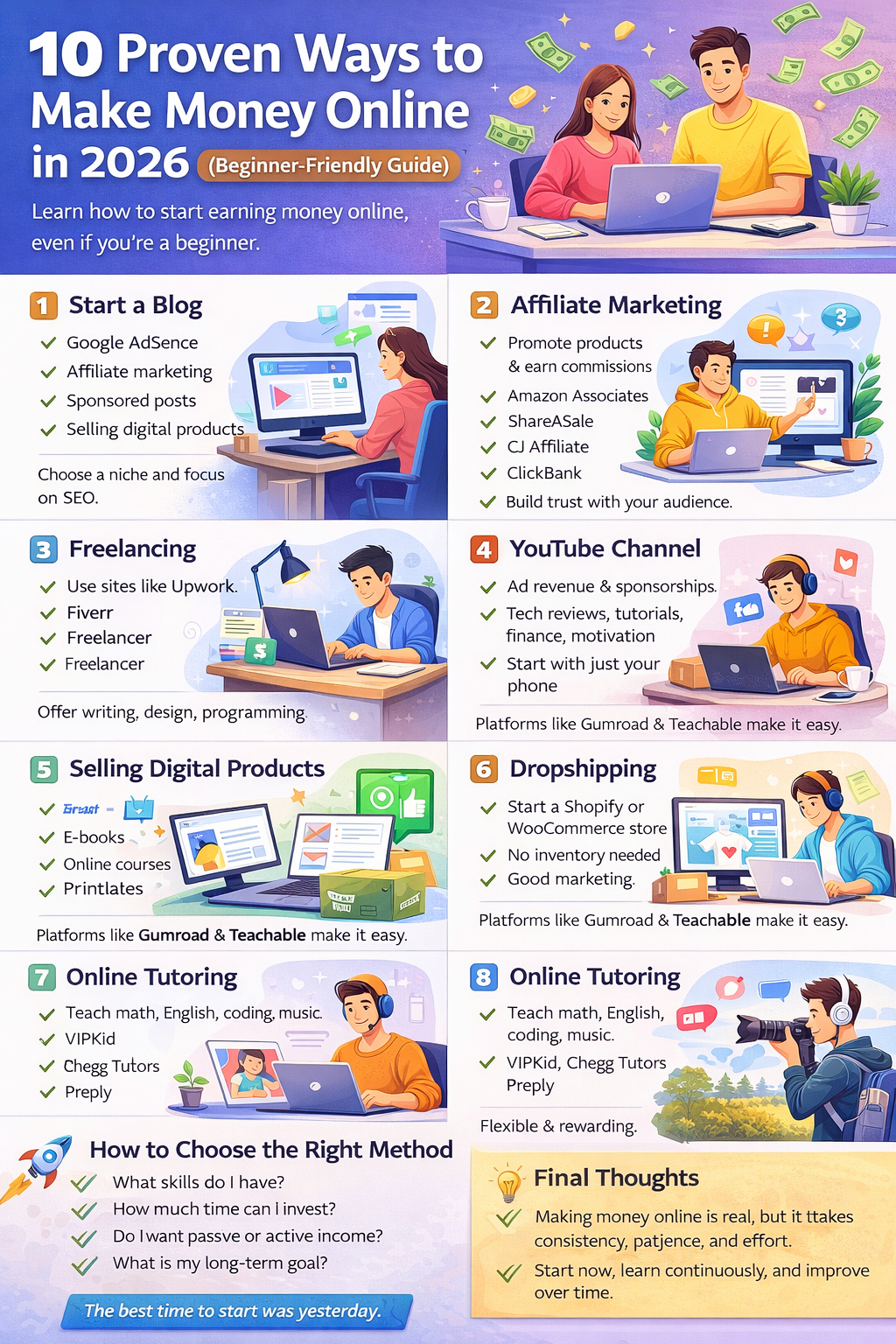
10 Proven Ways to Make Money Online in 2026 (Beginner-Friendly Guide)
Making money online is no longer just a trend — it’s a real opportunity for anyone with internet access and basic skills. Whether you’re a student, a stay-at-home parent, or someone looking for extra income, there are many legitimate ways to earn online.
In this guide, you’ll discover 10 proven methods to start making money online, even as a beginner.
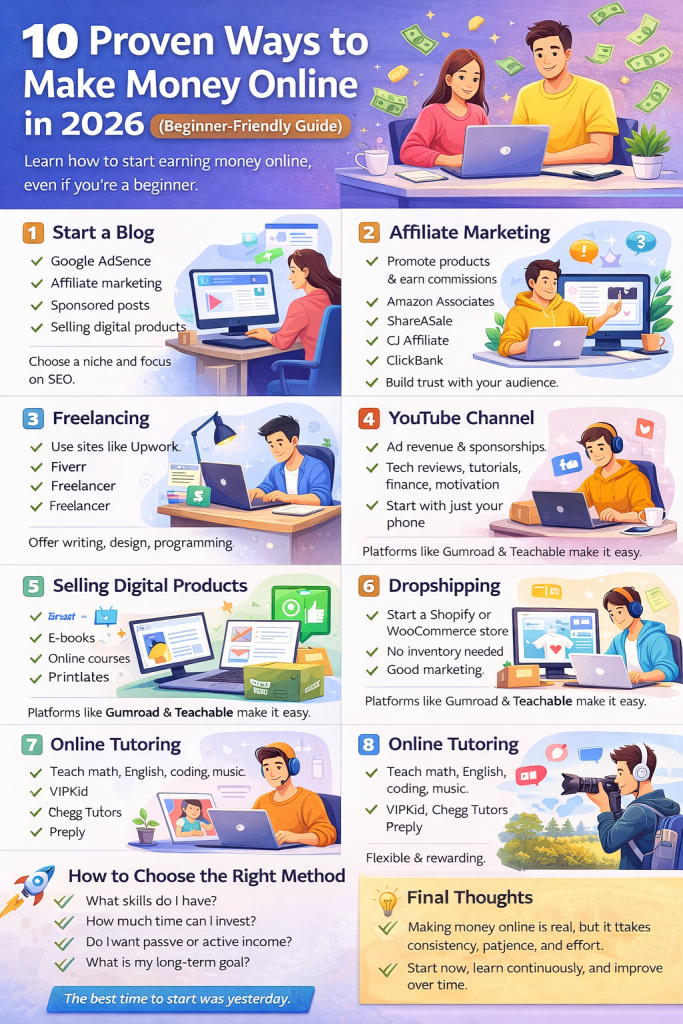
1. Start a Blog
Blogging remains one of the most powerful ways to build long-term online income.
You can earn through:
- Google AdSense
- Affiliate marketing
- Sponsored posts
- Selling digital products
Choose a niche (travel, health, finance, tech), publish high-quality content consistently, and focus on SEO. Blogging takes time, but it can become a passive income machine.
2. Affiliate Marketing
Affiliate marketing means promoting other companies’ products and earning a commission on each sale.
Popular affiliate platforms include:
- Amazon Associates
- ShareASale
- CJ Affiliate
- ClickBank
You can promote products through a blog, YouTube channel, or social media. The key is building trust with your audience.
3. Freelancing
If you have a skill — writing, graphic design, video editing, programming — you can offer your services online.
Best freelancing platforms:
- Upwork
- Fiverr
- Freelancer
Start small, build reviews, and increase your rates over time.
4. YouTube Channel
You don’t need expensive equipment to start a YouTube channel. Many creators begin with just a smartphone.
You can earn from:
- Ad revenue
- Sponsorships
- Affiliate links
- Selling products
Choose a niche like tech reviews, tutorials, finance, or motivation.
5. Selling Digital Products
Digital products are great because you create them once and sell them multiple times.
Examples:
- E-books
- Online courses
- Templates
- Printables
Platforms like Gumroad and Teachable make selling easy.
6. Dropshipping
Dropshipping allows you to sell products without holding inventory. When a customer orders, your supplier ships directly to them.
You’ll need:
- An online store (Shopify or WooCommerce)
- Reliable suppliers
- Good marketing strategy
It requires effort but can be profitable with the right product research.
7. Print-on-Demand
Sell custom-designed products like T-shirts, mugs, and phone cases without inventory.
Platforms:
- Printful
- Redbubble
- Teespring
You focus on design and marketing while the platform handles production and shipping.
8. Online Tutoring
If you’re good at a subject like math, English, coding, or music, you can teach students online.
Websites like:
- VIPKid
- Chegg Tutors
- Preply
Online tutoring is flexible and rewarding.
9. Stock Photography
If you enjoy photography, upload your images to stock websites and earn royalties when people download them.
Popular platforms:
- Shutterstock
- Adobe Stock
- iStock
High-quality, unique images sell best.
10. Remote Jobs
Many companies now hire remote workers for:
- Customer support
- Data entry
- Virtual assistance
- Social media management
Websites like Indeed and Remote.co list remote job opportunities daily.
How to Choose the Right Method
Ask yourself:
- What skills do I have?
- How much time can I invest?
- Do I want passive or active income?
- What is my long-term goal?
Pick one method and focus on it. Most people fail because they try everything at once.
Final Thoughts
Making money online is possible — but it’s not magic. It requires consistency, patience, and effort. Start small, learn continuously, and improve your skills over time.
The best time to start was yesterday. The second-best time is today.
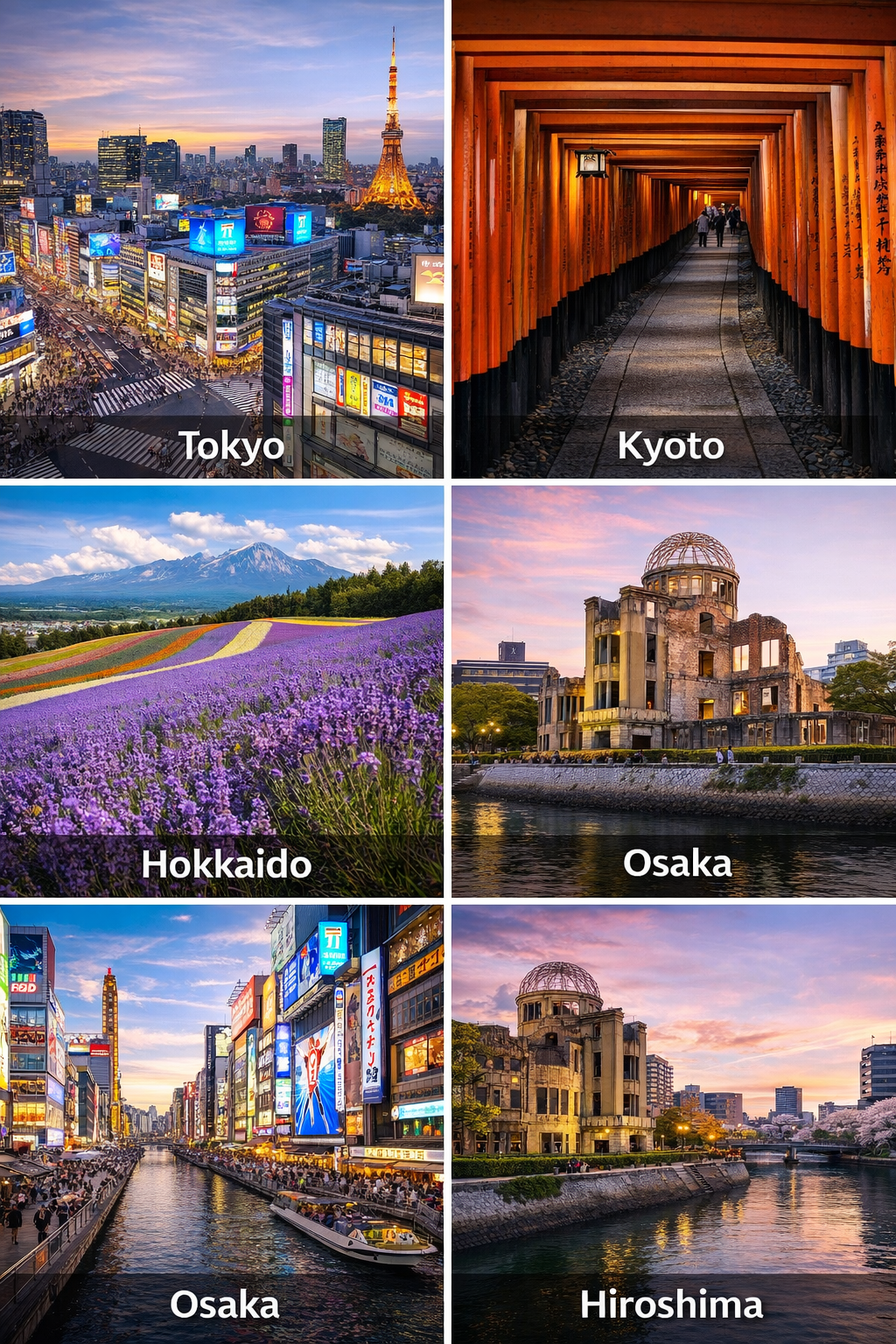
The Best Places to Visit in Japan: A Complete Traveler’s Guide
Discover the must-see destinations in the Land of the Rising Sun.
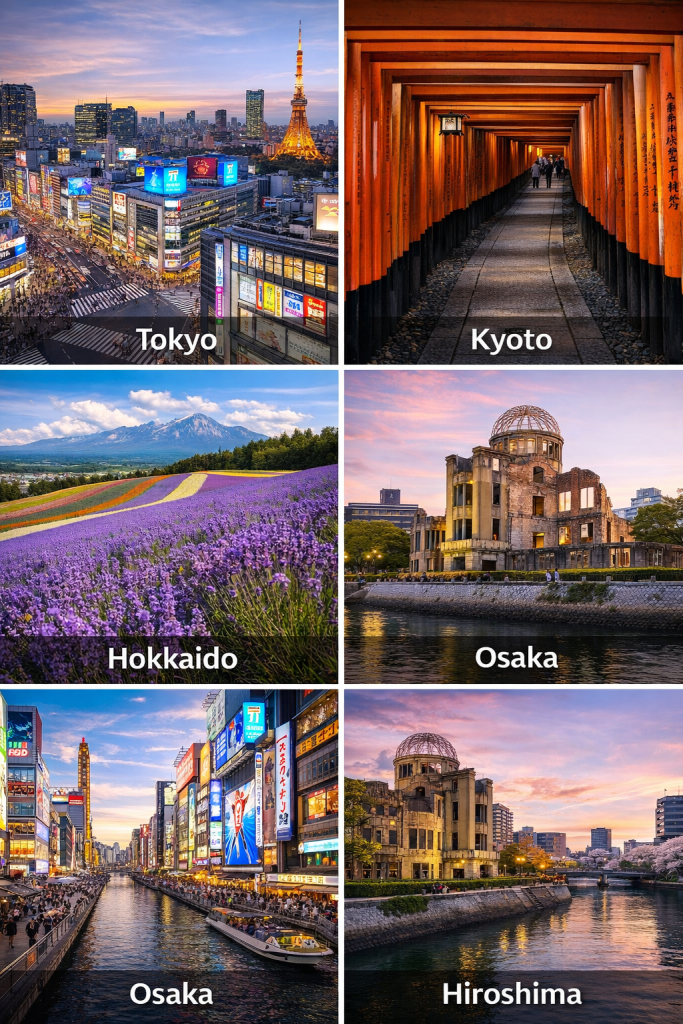
Japan is a country where ancient traditions blend seamlessly with futuristic innovation. From neon-lit cities and historic temples to peaceful countryside landscapes, Japan offers something for every type of traveler. Whether you're planning your first trip or returning for another adventure, this guide will help you explore the very best places to visit in Japan.
1. Tokyo – The Vibrant Metropolis
Tokyo, Japan’s capital city, is a fast-paced urban paradise filled with culture, technology, shopping, and world-class dining. It’s a city that truly never sleeps.
From the famous Shibuya Crossing — one of the busiest pedestrian intersections in the world — to the peaceful Meiji Shrine surrounded by forest, Tokyo offers endless contrasts.
Top Attractions in Tokyo:
- Shibuya Crossing
- Tokyo Tower
- Senso-ji Temple (Asakusa)
- Akihabara (Electric Town)
- TeamLab Planets
Food lovers will also find Tokyo a dream destination. The city holds more Michelin-starred restaurants than anywhere else in the world.
2. Kyoto – The Heart of Traditional Japan
If you want to experience traditional Japan, Kyoto is the place to be. Once the imperial capital, Kyoto is famous for its historic temples, serene gardens, and geisha culture.
Walking through Kyoto feels like stepping back in time. The city is especially magical during cherry blossom season in spring and when autumn leaves turn vibrant red and gold.
Must-Visit Spots in Kyoto:
- Fushimi Inari Shrine (famous for its red torii gates)
- Kinkaku-ji (Golden Pavilion)
- Arashiyama Bamboo Grove
- Gion District
- Kiyomizu-dera Temple
Kyoto is perfect for travelers who want a slower, more peaceful experience filled with culture and history.
3. Hokkaido – Nature Lover’s Paradise
Located in northern Japan, Hokkaido is known for its stunning natural beauty. It’s ideal for outdoor enthusiasts and those seeking fresh air and wide-open landscapes.
In winter, Hokkaido transforms into a snowy wonderland, attracting skiers and snowboarders from around the world. In summer, vibrant flower fields and national parks take center stage.
Highlights of Hokkaido:
- Furano Lavender Fields
- Niseko Ski Resort
- Shiretoko National Park
- Lake Toya
- Sapporo Snow Festival
Hokkaido is less crowded than other regions, making it perfect for travelers looking for a peaceful escape.
4. Osaka – The Kitchen of Japan
Osaka is famous for its street food, friendly locals, and vibrant nightlife. Compared to Tokyo, Osaka feels more relaxed and humorous, with a strong local personality.
What to Do in Osaka:
- Visit Osaka Castle
- Explore Dotonbori Street
- Try takoyaki (octopus balls)
- Visit Universal Studios Japan
If you love food and entertainment, Osaka will quickly become one of your favorite cities.
5. Hiroshima – A City of Peace and Reflection
Hiroshima is a city that represents resilience and peace. Today, it’s a modern city with a powerful historical significance.
Key Places to Visit:
- Hiroshima Peace Memorial Park
- Atomic Bomb Dome
- Miyajima Island (Itsukushima Shrine)
A visit to Hiroshima is both emotional and educational, offering important lessons about history and humanity.
Best Time to Visit Japan
Japan is beautiful year-round, but each season offers something unique:
- Spring (March–May): Cherry blossoms
- Summer (June–August): Festivals and hiking
- Autumn (September–November): Stunning fall colors
- Winter (December–February): Skiing and snow festivals
Spring and autumn are generally considered the best times due to mild weather and breathtaking scenery.
Travel Tips for First-Time Visitors
- Purchase a Japan Rail Pass if traveling between cities.
- Carry cash, as some places do not accept credit cards.
- Learn basic Japanese phrases — locals appreciate the effort.
- Respect cultural etiquette, especially in temples and shrines.
Final Thoughts
Japan is a destination that leaves a lasting impression. Whether you're exploring ancient temples in Kyoto, tasting street food in Osaka, skiing in Hokkaido, or shopping in Tokyo, every moment feels unique and memorable.
If you’re planning your next international adventure, Japan should definitely be at the top of your list.