

Real Estate: A Beginner’s Guide to Property Investment

Real estate is one of the most popular ways to build wealth and achieve financial stability. Many people invest in property because it can provide long-term income, appreciation in value, and financial security. Whether you are buying your first home or thinking about investing in property, understanding the basics of real estate is very important.
In this article, we will explore what real estate is, the different types of property, and tips for beginners interested in property investment.

What Is Real Estate?
Real estate refers to land and any buildings or structures on it. It includes houses, apartments, commercial buildings, and even vacant land. People buy, sell, rent, and invest in real estate for various purposes such as living, business, or long-term investment.
Real estate is considered a valuable asset because property prices often increase over time.
Types of Real Estate
There are several different types of real estate properties.
1. Residential Real Estate
Residential real estate includes properties where people live. Examples include:
- Houses
- Apartments
- Villas
- Condominiums
Most people start their real estate journey by buying a residential property.
2. Commercial Real Estate
Commercial real estate refers to properties used for business purposes. Examples include:
- Office buildings
- Shopping malls
- Retail stores
- Hotels
Commercial properties can generate income through rent from businesses.
3. Industrial Real Estate
Industrial real estate includes properties used for manufacturing and production activities such as:
- Warehouses
- Factories
- Distribution centers
These properties are usually rented by companies.
4. Land
Land refers to undeveloped property without buildings. Investors often buy land expecting its value to increase in the future.
Benefits of Investing in Real Estate
Investing in real estate offers several advantages.
1. Long-Term Value Growth
Property values tend to increase over time. This means investors can sell properties later for a higher price.
2. Passive Income
Rental properties can provide a regular monthly income.
3. Financial Security
Real estate is a tangible asset that often holds value even during economic changes.
4. Diversification
Real estate helps diversify investment portfolios alongside stocks or other investments.
Tips for First-Time Real Estate Investors
If you are new to real estate investment, consider these helpful tips.
Research the Market
Always study the property market before buying. Look for areas with growing infrastructure, schools, and transportation facilities.
Set a Budget
Determine how much you can afford before searching for property. Consider additional costs like taxes, maintenance, and registration.
Choose the Right Location
Location plays a major role in property value. Areas with good connectivity and development potential usually grow faster.
Work With Professionals
Real estate agents, lawyers, and financial advisors can help you make better decisions.
Real Estate Trends in 2026
The real estate market continues to evolve with new trends such as:
- Smart homes with advanced technology
- Sustainable and eco-friendly buildings
- Growing demand for rental properties
- Increased interest in suburban living
These trends are shaping the future of the property market worldwide.
Conclusion
Real estate remains one of the most reliable ways to build long-term wealth. By understanding the different types of property, researching the market, and choosing the right location, beginners can start their real estate journey with confidence.
Whether you plan to buy a home or invest in rental property, careful planning and smart decisions can help you succeed in the real estate market.

10 Simple Exercises for Beginners
Starting a fitness routine can feel challenging, especially if you are new to exercise. The good news is that you don’t need complicated equipment or a gym membership to begin. Simple bodyweight exercises can help improve strength, flexibility, and overall health.
Here are 10 simple exercises for beginners that you can easily do at home.

1. Jumping Jacks
Jumping jacks are a great warm-up exercise that increases your heart rate and warms up the entire body.
How to do it
- Stand straight with your feet together
- Jump while spreading your legs and raising your arms
- Jump back to the starting position
Benefits
- Improves cardiovascular health
- Burns calories
- Warms up muscles
2. Squats
Squats strengthen the legs, hips, and glutes.
How to do it
- Stand with your feet shoulder-width apart
- Bend your knees and push your hips back
- Lower your body like you are sitting on a chair
- Return to the starting position
Benefits
- Builds lower body strength
- Improves balance
- Strengthens core muscles
3. Push‑Ups
Push-ups are a classic bodyweight exercise that strengthens the upper body.
Benefits
- Strengthens chest and shoulders
- Improves arm strength
- Builds core stability
Beginners can start with knee push-ups if regular push-ups feel difficult.
4. Plank
The plank is one of the best exercises for building a strong core.
How to do it
- Support your body on your forearms and toes
- Keep your body straight
- Hold the position for 20–30 seconds
Benefits
- Strengthens abdominal muscles
- Improves posture
- Builds endurance
5. Lunges
Lunges help strengthen the legs and improve balance.
Benefits
- Builds leg muscles
- Improves stability
- Strengthens glutes
6. Glute Bridge
This exercise strengthens the hips and lower back.
How to do it
- Lie on your back with knees bent
- Lift your hips toward the ceiling
- Hold for a few seconds and lower slowly
7. Mountain Climbers
Mountain climbers are a dynamic exercise that increases heart rate and burns calories.
Benefits
- Improves endurance
- Strengthens core
- Great cardio workout
8. Wall Sit
Wall sits are simple but effective for building leg strength.
How to do it
- Lean your back against a wall
- Slide down until your knees are at 90 degrees
- Hold the position for 20–30 seconds
9. High Knees
High knees are a cardio exercise that improves endurance and coordination.
Benefits
- Burns calories
- Strengthens legs
- Improves heart health
10. Stretching
Stretching is important before and after workouts.
Benefits
- Improves flexibility
- Reduces muscle tension
- Helps prevent injuries
Beginner Workout Tips
Here are some tips for beginners starting a fitness routine:
- Start with 10–15 minutes of exercise daily
- Focus on proper form instead of speed
- Stay consistent with your routine
- Drink enough water and rest when needed
Final Thoughts
Exercise is one of the best ways to improve your health and energy levels. These 10 simple beginner exercises can help you build strength, improve flexibility, and stay active.
Start slowly, stay consistent, and gradually increase your workout intensity as your fitness improves. Even a few minutes of daily exercise can make a big difference in your health and well-being. 💪

How to Travel the World on a Budget
Traveling the world is a dream for many people. However, many believe that international travel is expensive and only possible for wealthy travelers. The truth is that with smart planning and the right strategies, you can explore different countries without spending a lot of money. Budget travel is about making smart choices and focusing on experiences rather than luxury.
Here are some practical tips to help you travel the world on a budget.

1. Plan Your Trip in Advance
One of the easiest ways to save money on travel is to plan your trip early. Booking flights and accommodation several months in advance often gives you better prices.
You can also compare flight prices using travel apps such as Skyscanner and Google Flights. These tools help you find cheaper flights and the best travel dates.
Tips
- Book flights 2–3 months in advance
- Travel during off-season months
- Be flexible with travel dates
2. Choose Budget-Friendly Destinations
Some countries are much cheaper to visit than others. Southeast Asia, parts of Eastern Europe, and South America offer amazing experiences at low prices.
Budget travelers often visit countries like Vietnam, Thailand, and Indonesia because food, accommodation, and transport are very affordable.
Choosing the right destination can significantly reduce your overall travel expenses.
3. Stay in Budget Accommodation
Hotels can be expensive, but there are many affordable alternatives available.
You can stay in:
- Hostels
- Guesthouses
- Homestays
- Budget hotels
Apps like Airbnb and Hostelworld help travelers find cheap accommodation around the world.
4. Use Public Transportation
Transportation costs can quickly add up when traveling. Instead of taxis, use local buses, trains, or metro systems.
Public transportation is usually much cheaper and allows you to experience the local culture.
For example, many cities in Japan and Thailand have reliable and affordable public transport systems.
5. Eat Local Food
One of the best ways to save money while traveling is to eat local food instead of dining in expensive restaurants.
Street food and small local restaurants are often:
- Cheaper
- More authentic
- A great way to experience local culture
Countries like Mexico and Vietnam are famous for delicious and affordable street food.
6. Travel Light
Traveling with fewer bags can save you money on airline baggage fees. Many airlines charge extra for checked luggage.
Packing light also makes it easier to move around between cities and countries.
Packing tips
- Bring versatile clothes
- Use a carry-on bag when possible
- Avoid unnecessary items
7. Look for Free Activities
Many destinations offer free attractions and activities.
Examples include:
- Museums with free entry days
- Walking tours
- Parks and beaches
- Cultural festivals
Cities like London offer many free museums and public attractions that travelers can enjoy without spending money.
Final Thoughts
Traveling the world on a budget is completely possible with careful planning and smart decisions. By choosing affordable destinations, booking early, using public transport, and enjoying local food, you can experience different cultures without spending too much money.
Remember that travel is not about luxury—it’s about discovering new places, meeting people, and creating unforgettable memories.
If you follow these tips, you can start exploring the world while staying within your budget. 🌍✈️

Best Budget Travel Destinations (Affordable Places to Visit)
Traveling doesn’t have to be expensive. Many beautiful destinations around the world offer amazing experiences, culture, and food at very affordable prices. If you plan carefully, you can explore incredible places without spending too much money.
Here are some of the best budget travel destinations in 2026.

1. Vietnam 🇻🇳
Vietnam is one of the most popular destinations for budget travelers. It offers beautiful landscapes, delicious street food, and affordable accommodation.
Why it’s budget-friendly
- Meals from street vendors can cost only a few dollars.
- Cheap hostels and guesthouses are widely available.
- Public transport and buses are inexpensive.
Popular places to visit include Hanoi, Ha Long Bay, and Hoi An.
2. Thailand 🇹🇭
Thailand is known as a classic budget travel paradise. It offers tropical beaches, temples, nightlife, and amazing food at low prices.
Budget highlights
- Cheap street food like Pad Thai and mango sticky rice
- Affordable hostels and guesthouses
- Budget transport options such as buses and tuk-tuks
Popular destinations include Bangkok, Phuket, and Krabi.
3. Georgia 🇬🇪
Georgia has become one of the most affordable destinations in Europe. The country offers mountain scenery, historic cities, and amazing local cuisine.
Average budget: about $20–$40 per day.
Things to do:
- Explore Tbilisi Old Town
- Visit the Kazbegi mountains
- Enjoy cheap wine tasting tours
4. Morocco 🇲🇦
Morocco is perfect for travelers who want a mix of culture and adventure without spending a lot.
Budget travelers love it for:
- Affordable hotels and riads
- Cheap local food markets
- Unique experiences like desert safaris
Cities like Marrakesh offer markets, historic sites, and desert tours at relatively low costs.
5. Mexico City 🇲🇽
Mexico City is one of the most affordable large cities to visit.
Daily travel budget: around $35–$60.
Highlights:
- Street food markets
- Museums and cultural landmarks
- Nearby attractions like Teotihuacán pyramids
6. India 🇮🇳
India is considered one of the cheapest countries for travel. You can explore beaches, mountains, temples, and cities at very low cost.
Budget-friendly places include:
- Varanasi – spiritual city with cheap food and stays
- Mumbai – vibrant city with affordable public transport
- Chopta and Bundi – low-cost scenic destinations
Tips for Budget Travel
Here are some tips to travel cheaply:
- ✈️ Book flights early to get lower prices
- 🏨 Stay in hostels, guesthouses, or homestays
- 🍜 Eat local street food instead of expensive restaurants
- 🚍 Use public transport instead of taxis
- 📅 Travel during the off-season for better deals
✅ Final Thoughts
Budget travel is easier than ever. Destinations like Vietnam, Thailand, Georgia, Morocco, Mexico, and India offer incredible experiences at low costs. With smart planning and a flexible travel schedule, you can explore the world without spending a fortune.
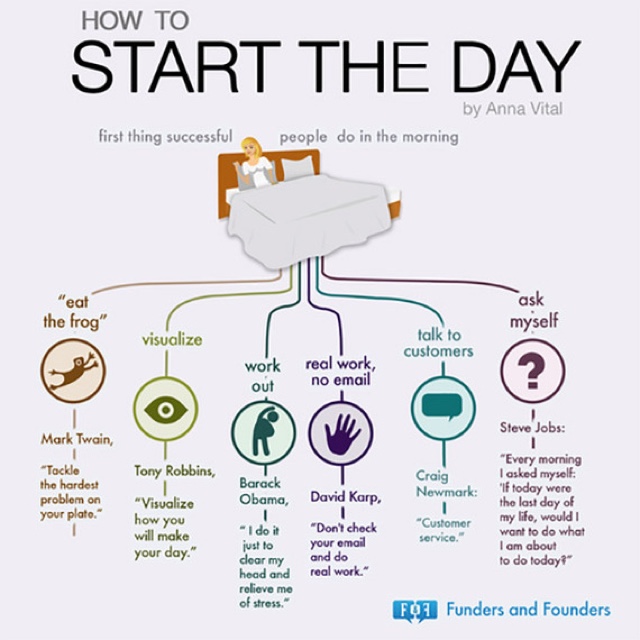
Daily Habits of Successful People
Success is not achieved overnight. Most successful people follow simple daily habits that help them stay focused, productive, and motivated. These habits improve their mindset, health, and productivity over time. Anyone can adopt these habits to improve their personal and professional life.
Let’s explore some daily habits of successful people that can help you achieve your goals.
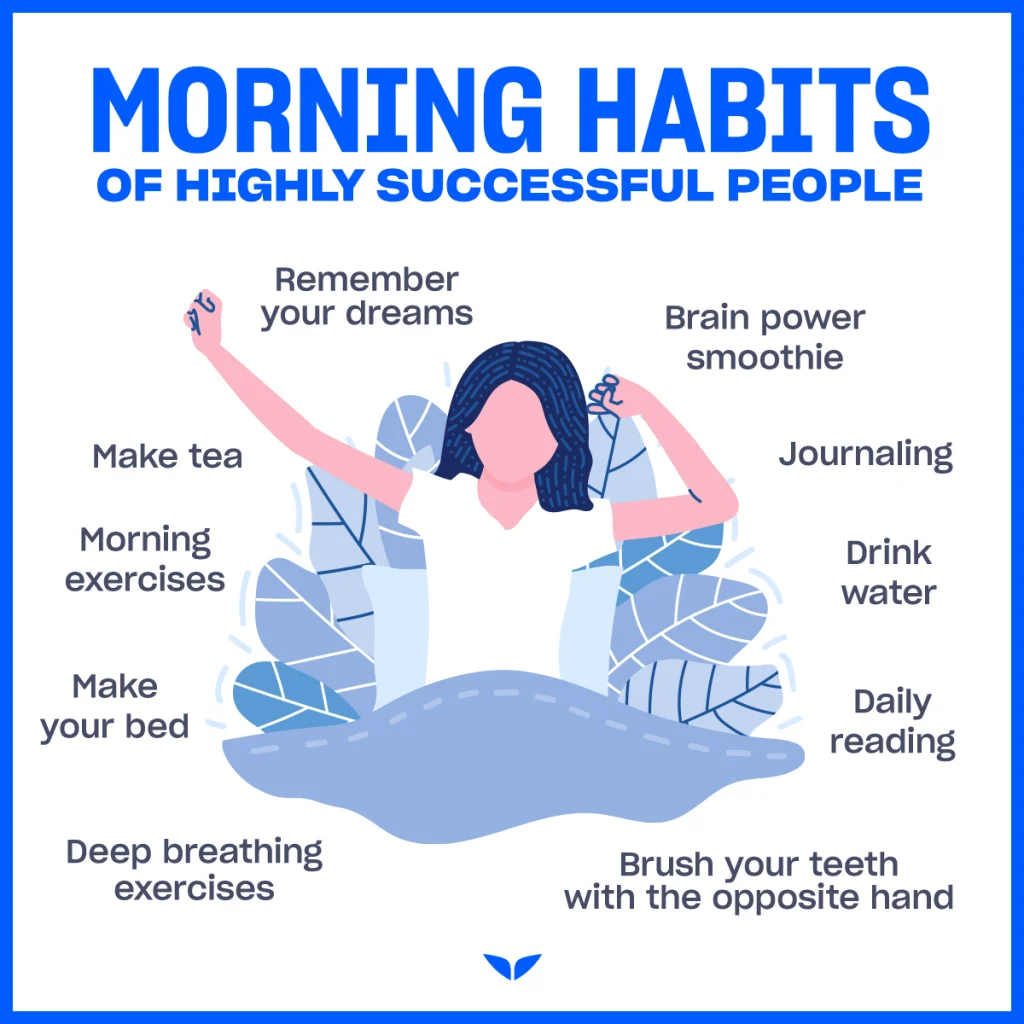
1. Wake Up Early
Many successful people start their day early. Waking up early gives them extra time to plan their day and focus on important tasks without distractions.
Famous entrepreneurs like Tim Cook and Elon Musk are known for starting their day early. Morning hours are usually quiet and productive, making them perfect for planning and deep work.
Benefits of waking up early:
- More time for personal development
- Better focus and productivity
- Reduced stress throughout the day
2. Set Clear Goals
Successful people always know what they want to achieve. They set daily, weekly, and long-term goals.
Setting clear goals helps you stay organized and focused. Writing down goals also increases the chances of achieving them because it keeps you accountable.
Tips for goal setting:
- Write down your daily tasks
- Break big goals into smaller steps
- Track your progress regularly
3. Exercise Regularly
Physical health plays an important role in success. Many successful people include exercise in their daily routine.
Exercise improves energy levels, mental clarity, and overall health.
For example, Barack Obama is known for maintaining a regular workout routine even during his busy schedule.
Benefits of daily exercise:
- Increased energy
- Better focus and concentration
- Improved mood and mental health
4. Read Every Day
Reading is a common habit among successful people. It helps them learn new ideas, gain knowledge, and stay informed.
Entrepreneurs like Bill Gates read dozens of books every year to expand their knowledge and improve decision-making.
You can start by reading:
- Personal development books
- Business and finance books
- Educational articles and blogs
Even 20 minutes of reading a day can make a big difference over time.
5. Manage Time Wisely
Time management is one of the most important habits of successful people. They prioritize important tasks and avoid wasting time on unnecessary activities.
Many successful individuals use techniques such as:
- Creating a daily schedule
- Prioritizing important tasks first
- Avoiding distractions like excessive social media
Good time management helps you accomplish more in less time.
6. Stay Positive and Motivated
Successful people maintain a positive mindset even during difficult situations. They focus on solutions instead of problems.
Practicing gratitude, meditation, or journaling can help maintain a positive attitude and reduce stress.
A positive mindset also improves relationships, creativity, and problem-solving abilities.
7. Review the Day Before Sleeping
Many successful people spend a few minutes reviewing their day before going to bed. This helps them understand what they achieved and what they can improve tomorrow.
Daily reflection helps with:
- Learning from mistakes
- Improving productivity
- Planning the next day effectively
Final Thoughts
Success is often the result of consistent daily habits rather than big one-time actions. Waking up early, setting goals, exercising, reading, and managing time effectively are simple habits that can transform your life.
If you start practicing these habits today, you can gradually build a routine that leads to long-term success.
Remember, small improvements every day can lead to big achievements in the future.

Best Budget Smartphones in 2026: Top Affordable Phones Worth Buying
Smartphones have become an essential part of everyday life. From online classes and social media to work and entertainment, we rely on them for almost everything. Fortunately, you no longer need to spend a lot of money to get a good smartphone. In 2026, many budget phones offer impressive performance, great cameras, and long battery life at affordable prices.
In this article, we will explore some of the best budget smartphones in 2026 that provide excellent value for money.

1. Xiaomi Redmi Note 14
The Xiaomi Redmi Note 14 is one of the most popular budget smartphones in 2026. It offers a premium design, strong performance, and a bright display at a reasonable price.
Key Features
- 6.67-inch AMOLED display with 120Hz refresh rate
- Powerful mid-range processor for smooth performance
- 50MP main camera for detailed photos
- 5000mAh battery with fast charging
This phone is perfect for users who enjoy watching videos, playing games, and browsing social media.
2. Samsung Galaxy M16 5G
The Samsung Galaxy M16 5G is another excellent budget smartphone that offers reliable performance and long software support.
Key Features
- 6.7-inch Super AMOLED display
- MediaTek Dimensity processor
- 50MP triple-camera system
- Large battery for all-day usage
Samsung’s One UI interface is clean and user-friendly, making this phone ideal for both beginners and experienced users.
3. Motorola Moto G Power (2026)
If battery life is your top priority, the Motorola Moto G Power (2026) is a great choice. Motorola phones are known for their clean Android experience and reliable performance.
Key Features
- Massive 7000mAh battery
- Smooth display for better scrolling
- Clean Android interface without heavy bloatware
- Good everyday performance
This smartphone is perfect for people who want a device that can last up to two days on a single charge.
4. Realme Narzo 70 5G
The Realme Narzo 70 5G is a budget-friendly smartphone designed for performance and gaming.
Key Features
- MediaTek Dimensity processor
- 120Hz display for smooth gaming
- Stylish design
- Fast charging support
With strong performance and a competitive price, this phone is a great option for gamers on a budget.
5. Poco X6
The Poco X6 offers powerful hardware at an affordable price. It is especially popular among users who want high performance without spending too much money.
Key Features
- High-performance processor
- 120Hz AMOLED display
- Excellent gaming performance
- Fast charging and strong battery life
This smartphone delivers flagship-like performance in the budget category.
How to Choose the Best Budget Smartphone
When buying a budget smartphone, consider the following factors:
1. Performance
Choose a phone with a reliable processor and enough RAM to handle daily tasks smoothly.
2. Battery Life
A battery capacity of at least 5000mAh ensures your phone lasts throughout the day.
3. Camera Quality
Many budget phones now offer 48MP or 50MP cameras, which are good for everyday photography.
4. Software Updates
Phones that receive regular updates are more secure and perform better over time.
Final Thoughts
Budget smartphones in 2026 offer amazing value for money. Devices like the Xiaomi Redmi Note 14, Samsung Galaxy M16 5G, Motorola Moto G Power, Realme Narzo 70 5G, and Poco X6 prove that you don’t need to spend a fortune to get a powerful smartphone.
Before making a purchase, compare features such as performance, battery life, camera quality, and software updates. By choosing the right smartphone, you can enjoy a great mobile experience without exceeding your budget.
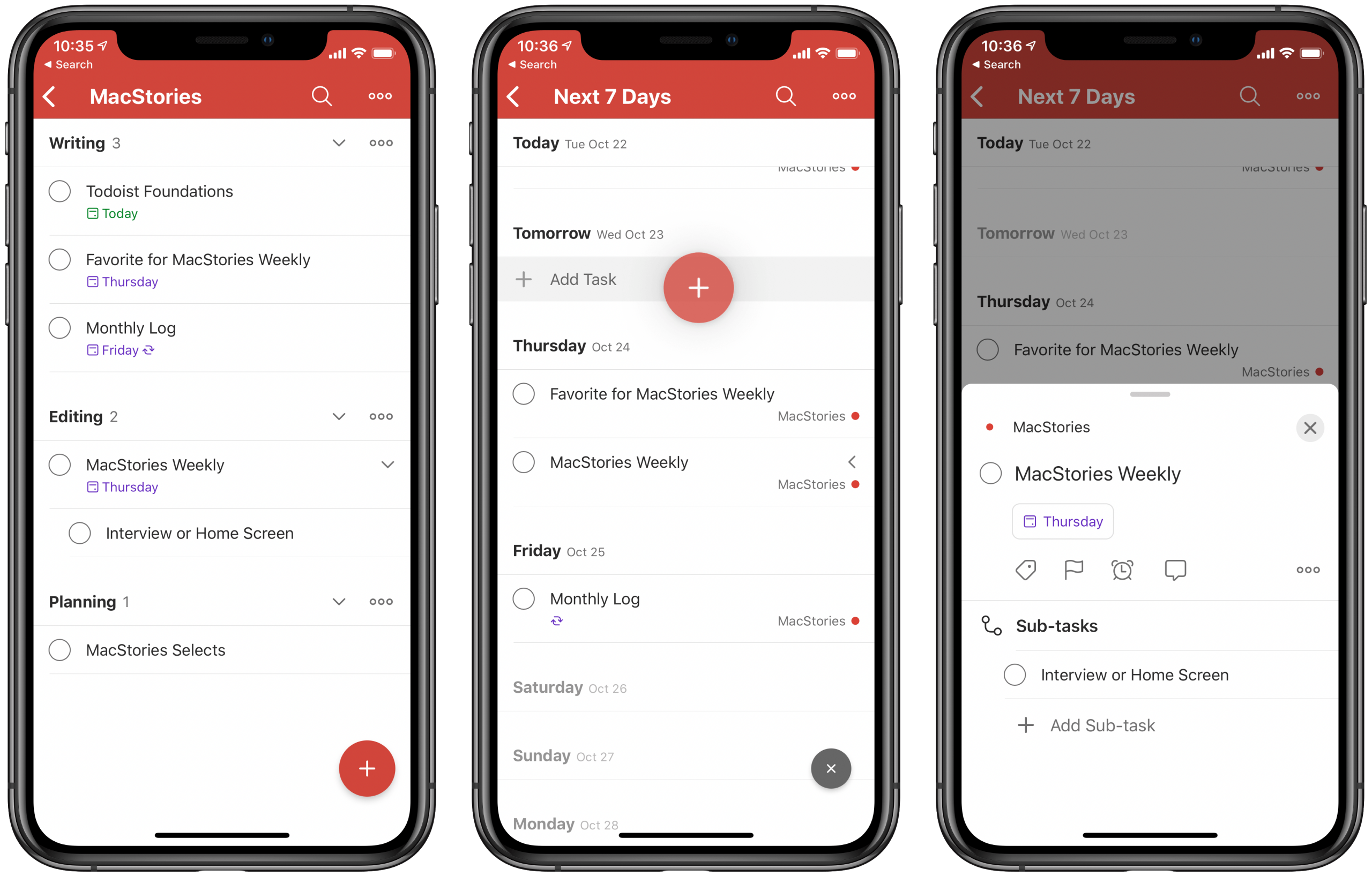
Best Free Apps for Productivity (2026 Guide)
In today’s fast-paced digital world, staying productive is more important than ever. Fortunately, many powerful productivity apps are completely free and can help you manage tasks, organize ideas, and collaborate with teams. These tools help students, freelancers, and professionals work smarter and achieve more every day.
Below are some of the best free productivity apps you should try in 2026.
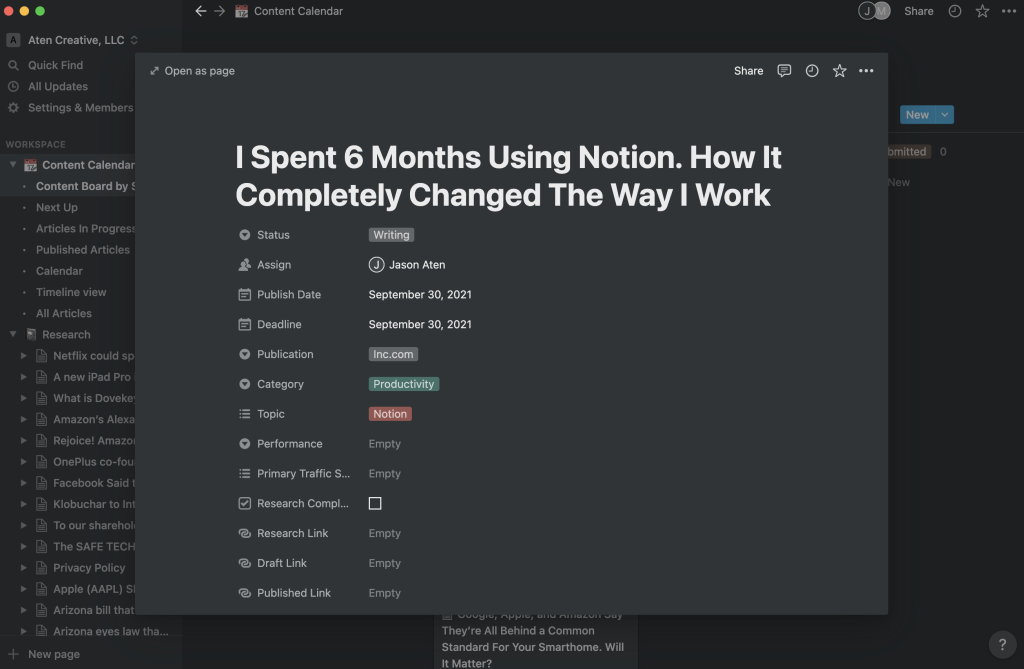
1. Notion – The All-in-One Workspace
Notion is one of the most popular productivity apps because it combines notes, task management, databases, and collaboration tools in one platform. It is widely used by students, startups, and large teams.
Key Features
- Notes and document creation
- Task and project management
- Database and knowledge base
- Team collaboration tools
The free version offers powerful features for personal productivity and cross-platform synchronization.
2. Todoist – Best To-Do List App
Todoist is a simple yet powerful task manager designed to help you organize daily activities and track your goals.
Key Features
- Task scheduling and reminders
- Project organization
- Productivity tracking
- Cross-device syncing
It is often ranked as one of the best to-do list apps due to its clean interface and powerful features.
3. Trello – Visual Project Management
Trello uses a Kanban-style board system that helps teams organize tasks visually.
Key Features
- Drag-and-drop task boards
- Collaboration tools
- Task labels and checklists
- Integration with many other apps
It’s perfect for project management, content planning, and teamwork.
4. Google Keep – Quick Notes & Reminders
Google Keep is a simple note-taking app designed for quick thoughts, reminders, and lists.
Key Features
- Voice notes and checklists
- Color-coded notes
- Reminders and collaboration
- Seamless integration with Google services
It’s ideal for users who want a lightweight and easy-to-use note app.
5. Joplin – Secure Open-Source Note Taking
Joplin is a free and open-source note-taking app that supports to-do lists, markdown notes, and synchronization across devices.
Key Features
- End-to-end encryption
- Markdown support
- Cross-platform compatibility
- Offline access
It is perfect for users who care about privacy and data control.
Final Thoughts
Free productivity apps can dramatically improve how you manage your time, tasks, and projects. Tools like Notion, Todoist, Trello, Google Keep, and Joplin offer powerful features without costing anything, making them perfect for students, professionals, and entrepreneurs.
The key is choosing the right tool for your workflow:
- Use Notion for all-in-one organization
- Use Todoist for task management
- Use Trello for project tracking
- Use Google Keep for quick notes
- Use Joplin for secure note-taking
With the right productivity apps, you can stay organized, focused, and achieve your goals faster.

Top AI Tools in 2026
Artificial Intelligence tools are transforming how people work, create content, and run businesses. In 2026, AI tools help with writing, research, design, coding, marketing, and automation, making work faster and more efficient.
Below are some of the best and most popular AI tools in 2026.

1. ChatGPT – AI Assistant
ChatGPT is one of the most powerful AI assistants. It helps users with writing, coding, research, brainstorming, and automation tasks. Many professionals use it daily to improve productivity.
Best for
- Writing blog posts
- Coding help
- Research and learning
- Content ideas
2. Google Gemini – AI for Research
Gemini is Google's AI assistant integrated with Gmail, Docs, and other workspace tools. It can summarize long documents, answer complex questions, and help with professional writing.
Best for
- Research
- Document summaries
- Emails and reports
3. Microsoft Copilot – Office Productivity
Copilot works inside Word, Excel, PowerPoint, and Teams. It helps create documents, analyze spreadsheets, and automate office tasks quickly.
Best for
- Business productivity
- Excel analysis
- PowerPoint presentations
4. Midjourney – AI Image Generator
Midjourney is one of the best AI tools for creating images and digital art from text prompts. Designers and marketers often use it for creative visuals.
Best for
- Blog images
- Marketing graphics
- Concept art
5. Notion AI – Smart Workspace
Notion AI helps organize notes, summarize documents, and manage projects. It turns messy information into structured tasks and insights.
Best for
- Note taking
- Project management
- Team collaboration
Conclusion
AI tools are becoming essential for productivity in 2026. Tools like ChatGPT, Gemini, Copilot, Midjourney, and Notion AI help people work faster, automate tasks, and create high-quality content with less effort.
Using the right AI tools can save hours of work and improve creativity, making them valuable for bloggers, developers, marketers, and businesses.

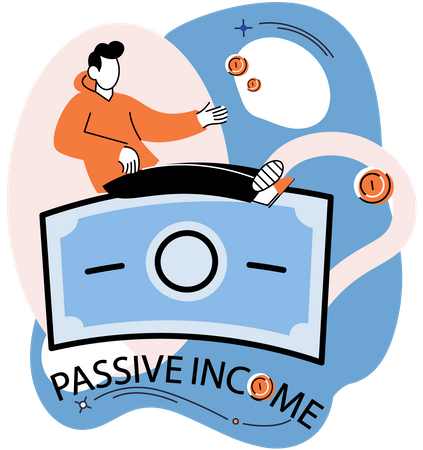
Best Passive Income Ideas in 2026
Introduction
Passive income means earning money with little ongoing effort after the initial setup. In 2026, many people are looking for passive income sources to improve their financial stability and create multiple income streams.
With the help of technology and online platforms, generating passive income has become easier than ever. Here are some of the best passive income ideas you can consider in 2026.
1️⃣ Start a Blog
Blogging is one of the most popular passive income ideas. Once your blog gains traffic, you can earn money through ads, affiliate marketing, and sponsored posts.
Ways to earn from a blog:
- Display advertisements
- Affiliate marketing
- Sponsored content
A successful blog can generate income for many years.
2️⃣ Invest in Dividend Stocks
Dividend stocks allow investors to earn regular income from company profits. When you buy shares of dividend-paying companies, you receive payments periodically.
Benefits include:
- Regular passive income
- Potential long-term investment growth
However, it is important to research before investing.
3️⃣ Create an Online Course
If you have knowledge or skills in a particular field, you can create an online course. Platforms like Udemy allow instructors to sell courses to students worldwide.
Once the course is created, it can continue generating income for years.
4️⃣ Affiliate Marketing
Affiliate marketing allows you to earn a commission by promoting products or services online. You share special affiliate links on your blog, website, or social media.
Popular affiliate programs include:
- Amazon Associates
- Software or digital product programs
When someone buys through your link, you earn a commission.
5️⃣ Create a YouTube Channel
Starting a YouTube channel can also become a strong passive income source. Once your videos gain views, you can earn through ads and brand partnerships.
Many creators earn through **YouTube monetization and sponsorships.
6️⃣ Sell Digital Products
Digital products such as eBooks, templates, and design resources can generate passive income. After creating the product once, it can be sold repeatedly online.
Examples:
- eBooks
- Printable planners
- Graphic templates
7️⃣ Rent Out Property
If you own property, renting it out can provide consistent passive income. Rental income can cover expenses and also build long-term wealth.
This method requires initial investment but offers stable returns over time.
Conclusion
Passive income is a powerful way to achieve financial freedom. By choosing the right strategy, such as blogging, investing, affiliate marketing, or selling digital products, you can create multiple income streams in 2026.
Although passive income requires effort at the beginning, it can provide long-term financial benefits and help you achieve your financial goals.
How to Build an Emergency Fund
Introduction
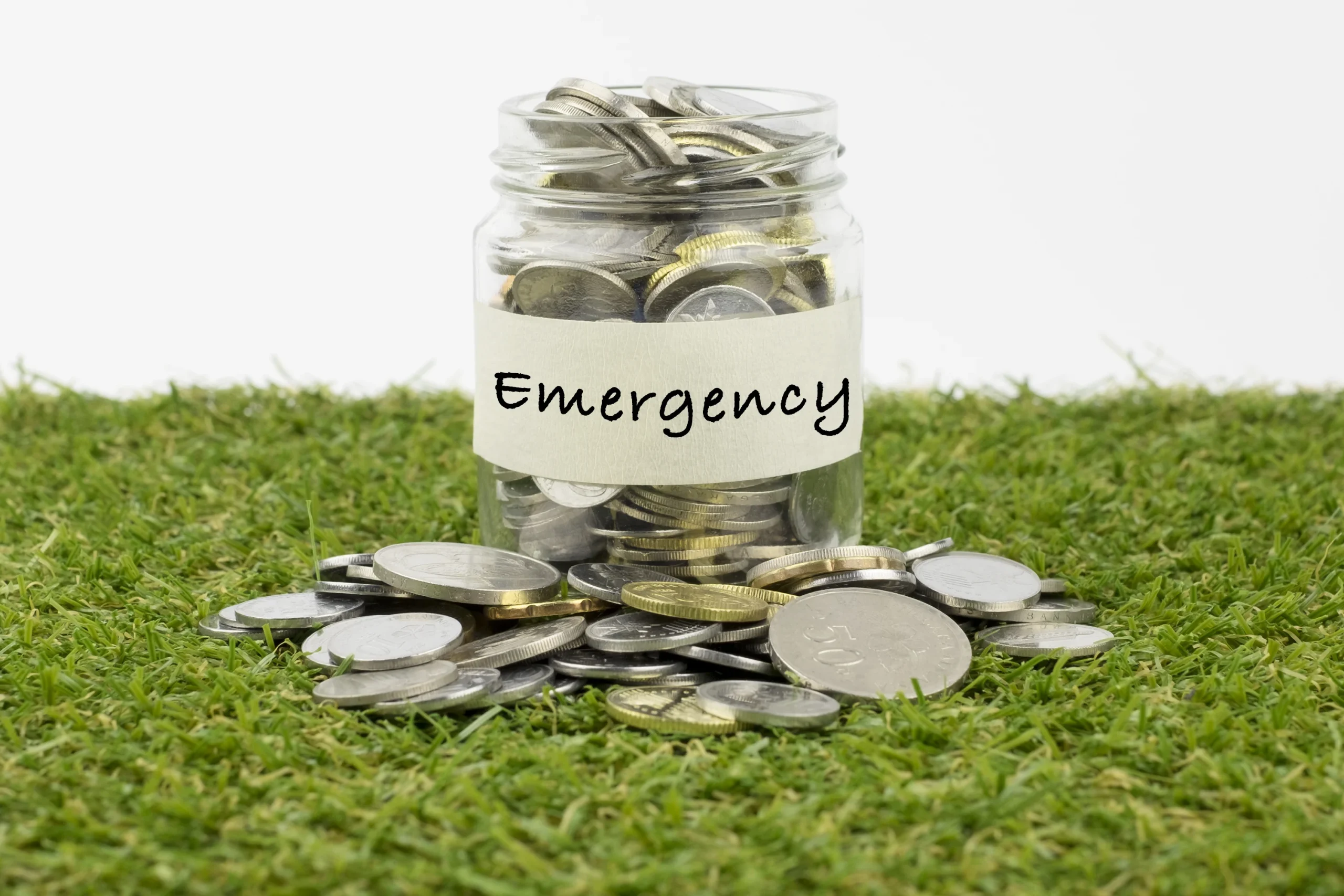
An emergency fund is a savings fund that helps you handle unexpected financial situations. In 2026, with rising living costs and economic uncertainty, having an emergency fund is more important than ever.
Unexpected expenses such as medical bills, car repairs, job loss, or home repairs can happen at any time. An emergency fund provides financial security and helps you avoid debt during difficult situations.

1️⃣ Understand the Purpose of an Emergency Fund
The main purpose of an emergency fund is to protect you from financial stress during unexpected events. Instead of relying on credit cards or loans, you can use your savings to manage the situation.
Examples of emergencies include:
- Medical emergencies
- Sudden job loss
- Car or home repairs
- Unexpected travel expenses
2️⃣ Set a Clear Savings Goal
Financial experts often recommend saving 3 to 6 months of living expenses in your emergency fund.
For example:
- If your monthly expenses are $1,000
- Your emergency fund goal should be $3,000–$6,000
Setting a clear goal helps you stay motivated while saving.
3️⃣ Start Small but Stay Consistent
Many people delay building an emergency fund because they think they need a large amount of money. In reality, starting with small savings is perfectly fine.
You can start by saving:
- $10 per week
- $50 per month
- Any extra income you receive
Consistency is more important than the amount.
4️⃣ Open a Separate Savings Account
Keeping your emergency fund in a separate savings account helps you avoid spending it on unnecessary things.
Benefits of a separate account:
- Better financial discipline
- Easy tracking of savings
- Reduced temptation to spend
5️⃣ Reduce Unnecessary Spending
Cutting small daily expenses can help you save more money.
Examples:
- Reduce eating out
- Cancel unused subscriptions
- Avoid impulse shopping
Even small savings can grow into a strong emergency fund over time.
6️⃣ Automate Your Savings
Automating your savings is one of the easiest ways to build an emergency fund. You can set up an automatic transfer from your main account to your savings account every month.
This helps you save money regularly without thinking about it.
7️⃣ Use Your Emergency Fund Wisely
Your emergency fund should only be used for real emergencies. Avoid using it for vacations, shopping, or non-essential expenses.
After using it, make sure to rebuild your emergency fund again.
Conclusion
Building an emergency fund is one of the smartest financial decisions you can make. It protects you from financial stress and helps you stay prepared for unexpected situations.
By setting a savings goal, reducing unnecessary expenses, and saving consistently, you can build a strong emergency fund and achieve greater financial security in the future.